Draw closed
Adds one unknown stock card and changes hand count from 13 to 14.
Open draw/discard guideBrowser UI simulator · zero install
This local simulator teaches the app interaction loop: receive 13 cards, draw from a closed or open pile, sort the hand, select a discard, return to 13 cards and run a basic sequence check. It has no account, opponent, network room, cash balance, prize or real declaration result.
This page models common 13-card controls only. It does not reproduce or endorse a specific operator build, verify an APK, certify a declaration, award virtual chips or promise cash-out.
UI input lab / session 01
Follow the state rail and accessible status message. The “declaration check” only looks for basic run patterns; manual grouping and the current table rules still decide validity.
Card buttons expose selected state through position, border, colour-independent focus and aria-pressed.
Initialising local practice state…
Control map
Use this as a reference when a real app button looks disabled, cards do not move, or a declaration is rejected.
Adds one unknown stock card and changes hand count from 13 to 14.
Open draw/discard guideAdds the visible top discard. Under the Pagat rule modelled here, it cannot be returned immediately in the same turn.
Check open-pile behaviourChanges only the visual order. It helps expose nearby ranks and suits but does not make a legal meld automatically.
Sort 13 cardsReturns a 14-card buffer to 13. The selected state should remain clear with touch, mouse and keyboard.
Discard control guideA real validator must inspect all groups, not only detect a pure run. House rules and Joker selection also matter.
Declare button guideCreates an independent practice deal in your browser. No game state, account detail or result is sent to a server.
Group-card guideMinimum rules to understand the UI
A standard declaration needs every card grouped and at least two sequences, one of them pure. A pure sequence is a same-suit consecutive run without a Joker substitute. An impure sequence uses a Joker as a missing card. A set uses three or four cards of one rank in different suits.
Ace can sit low in A-2-3 or high in Q-K-A, but K-A-2 is not a legal wrap. Cards cannot be reused across groups.
Open the full BestRummyBonus rules academyIndian game context
Indian Rummy, also called Paplu in some settings, is documented as a popular social pastime in India. India also has much older playing-card traditions, but that does not establish a direct line from one historic court game to the modern 13-card rules used today.
The careful historical position is that modern Indian Rummy belongs to the broader family of melding games and its exact development has multiple accounts. Table customs also vary, so confirm deck count, Joker selection, direction of play, scoring and declaration rules before a session.
Public rule references
These references explain common rules. They do not verify any downloadable APK, publisher identity, package name, version, signer or checksum.
From simulator to device
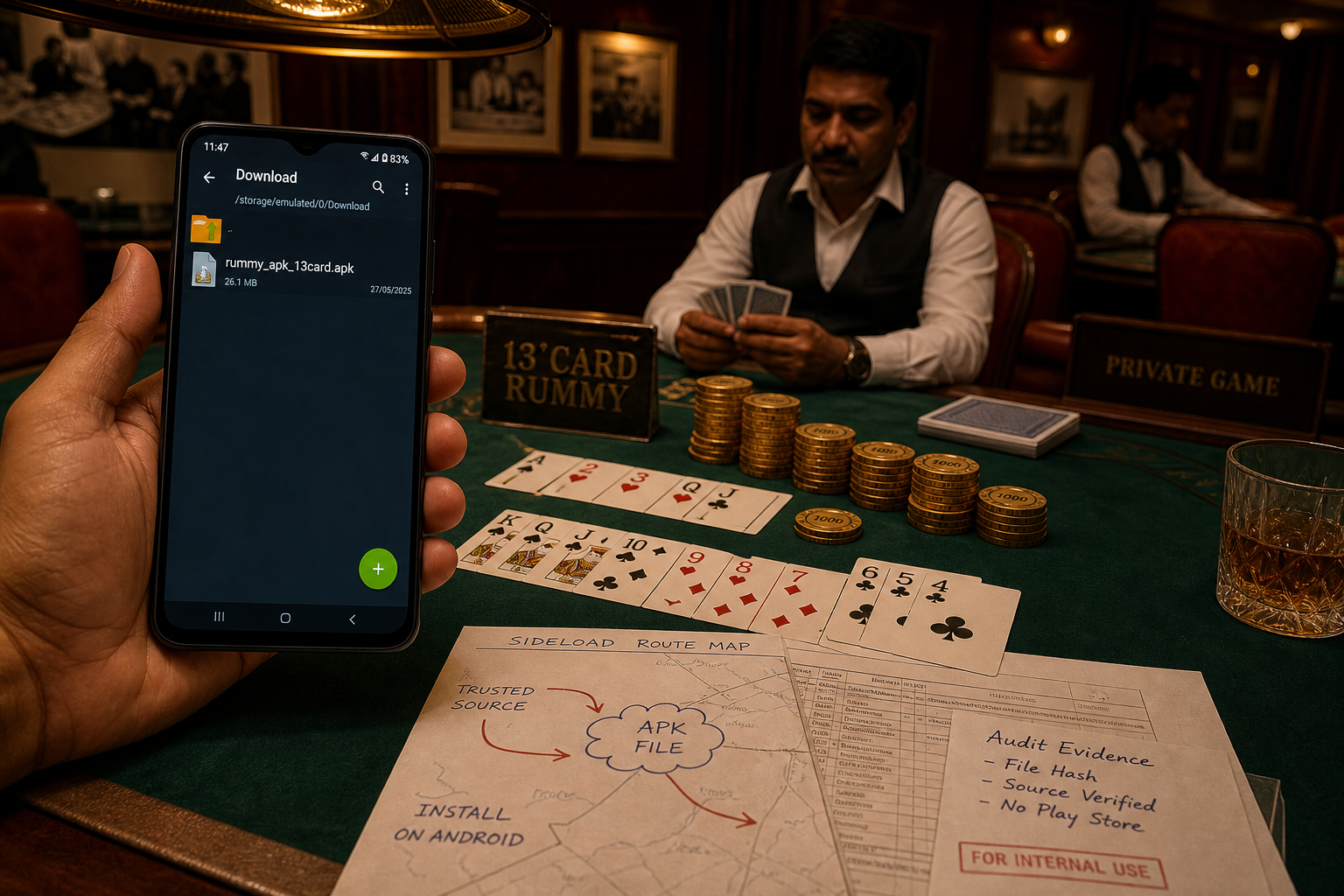
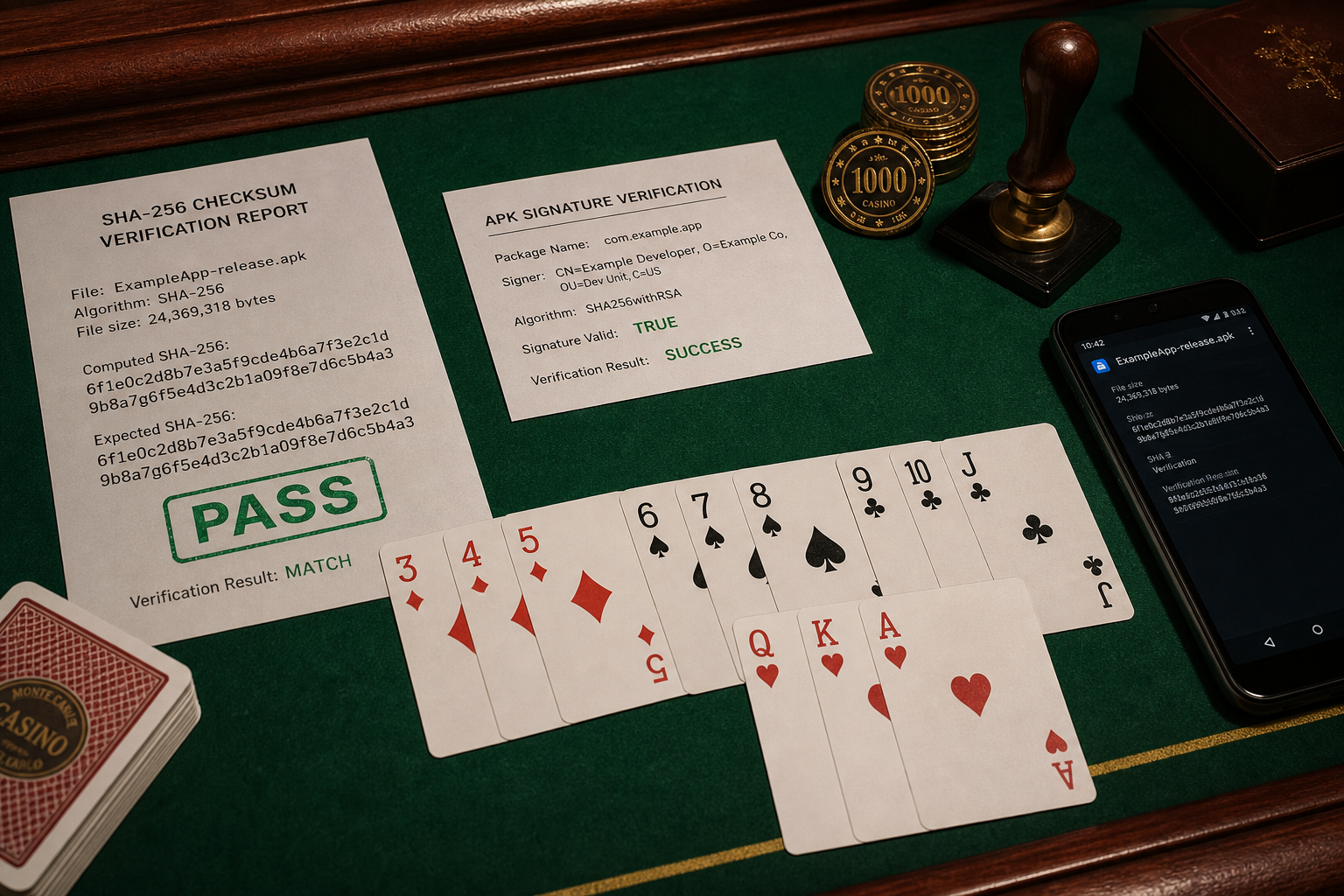
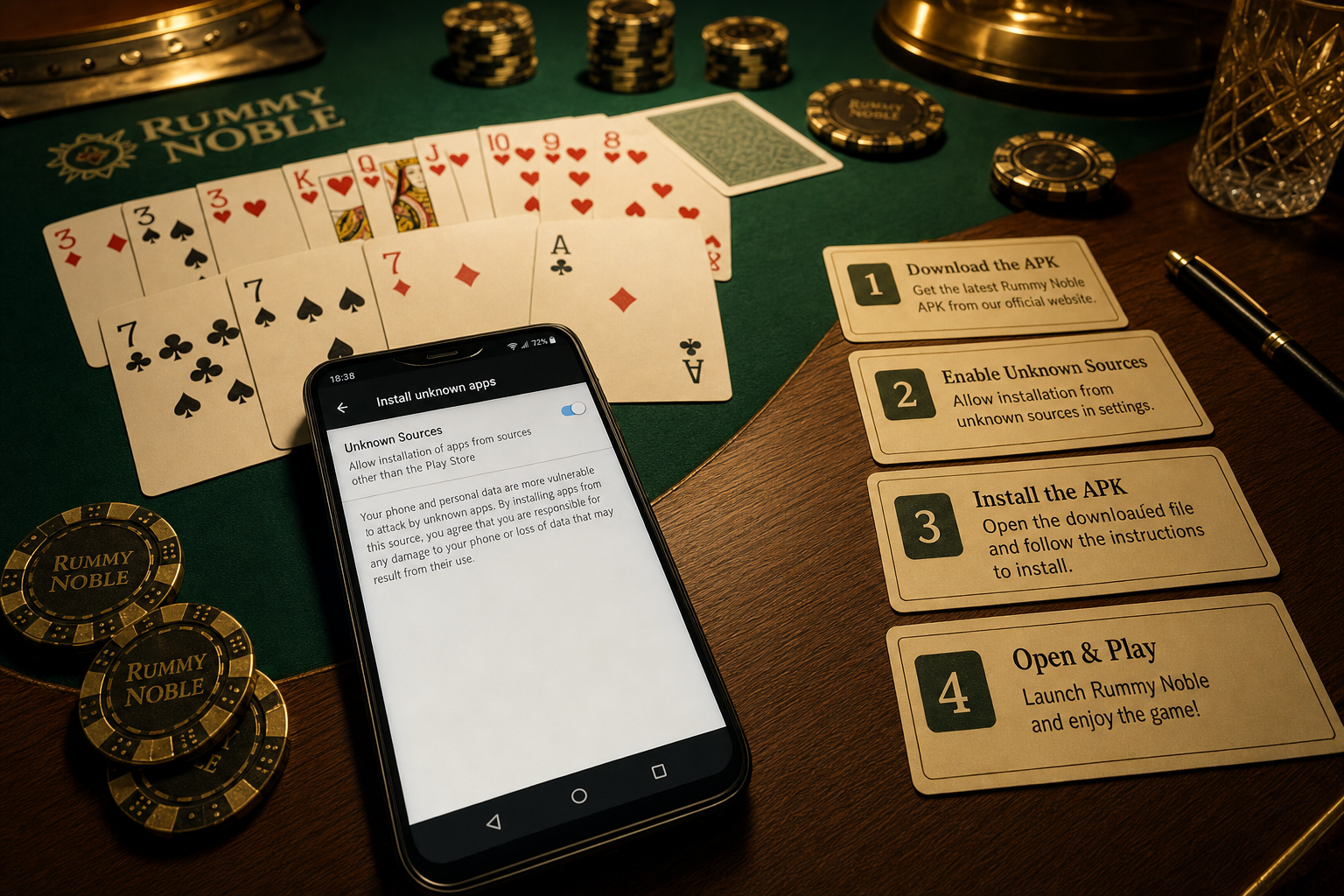
If you still want an APK, record its publisher-owned source, package, version, signer, checksum, permissions and Android compatibility. A familiar-looking game screen is not file-safety evidence.
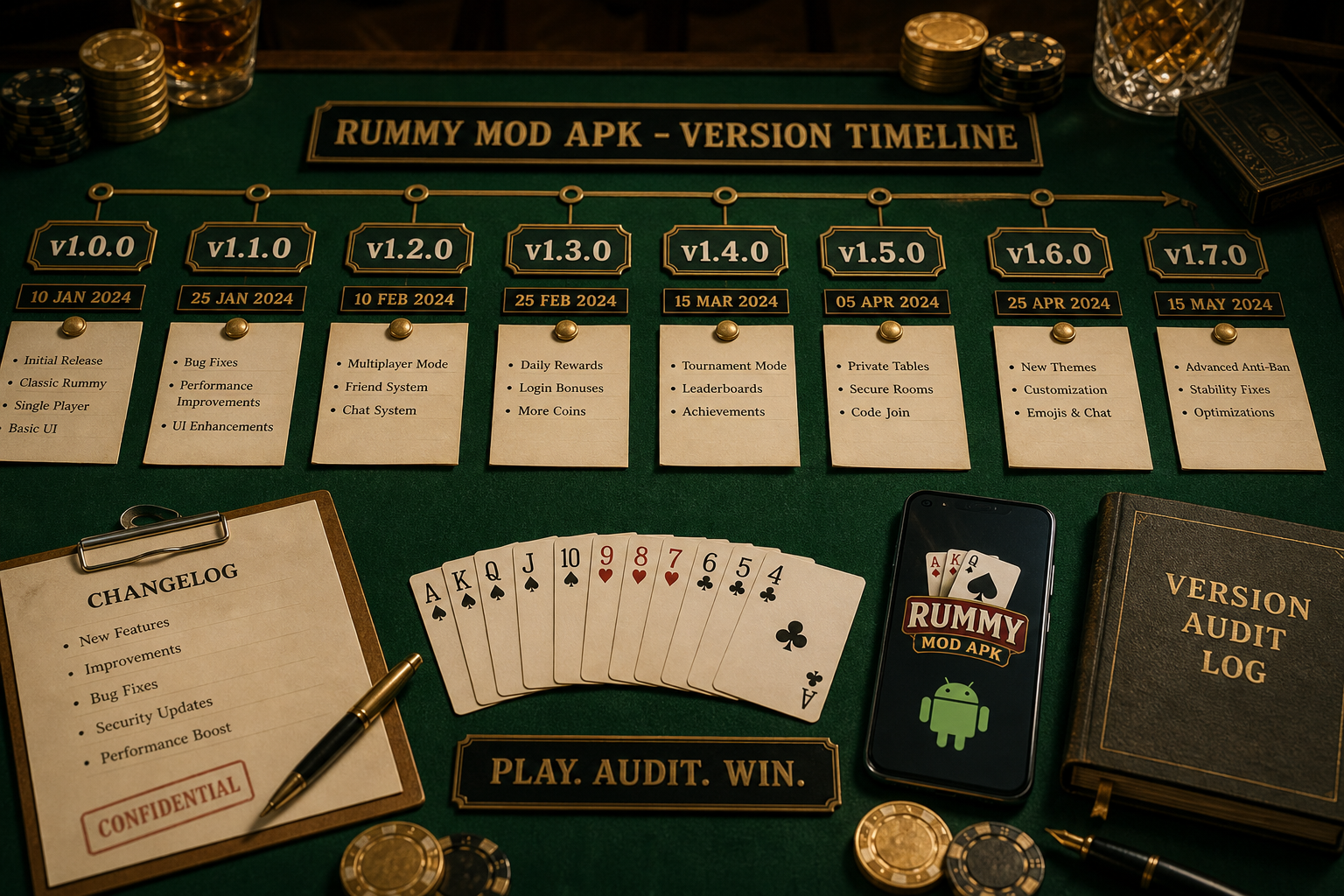
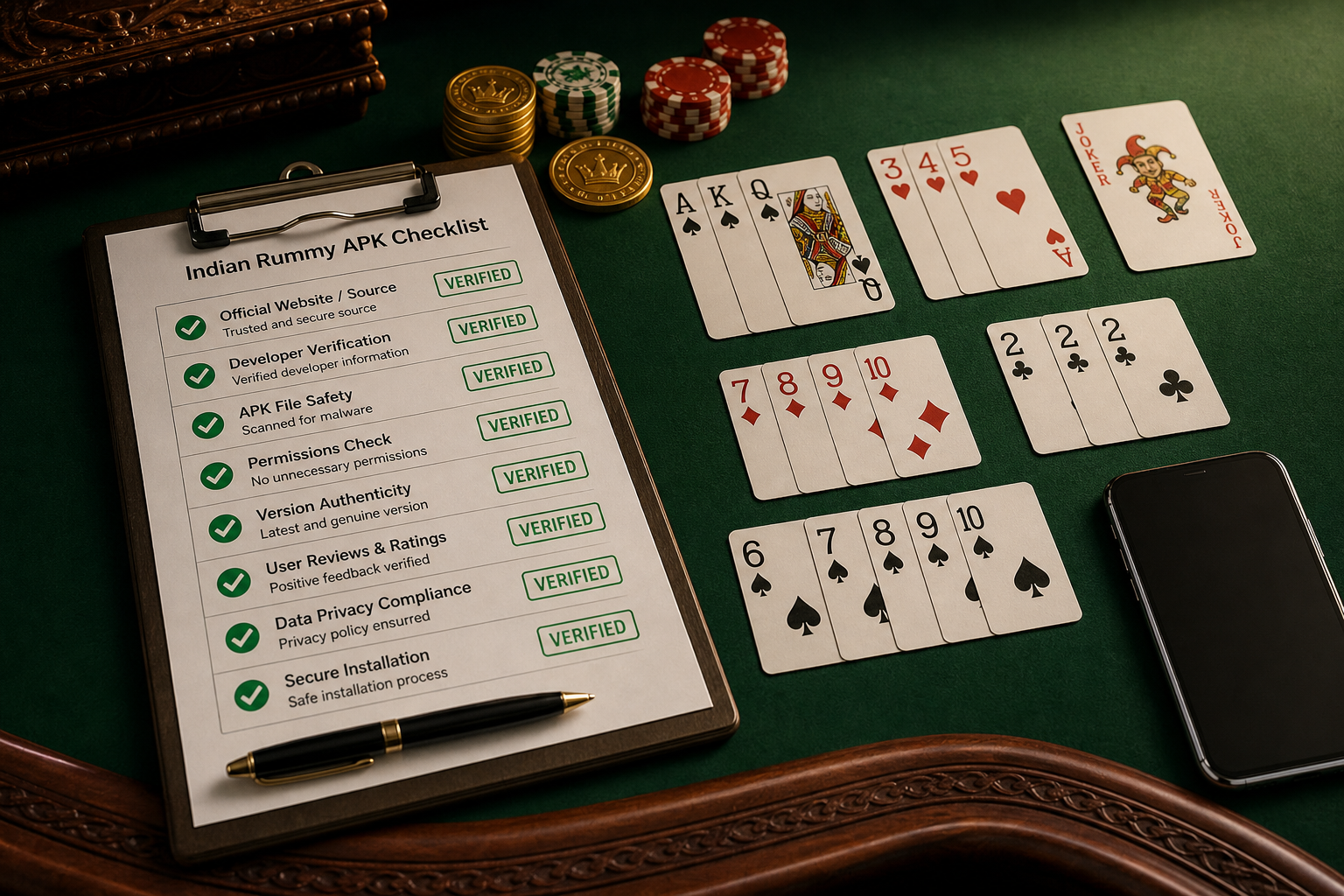
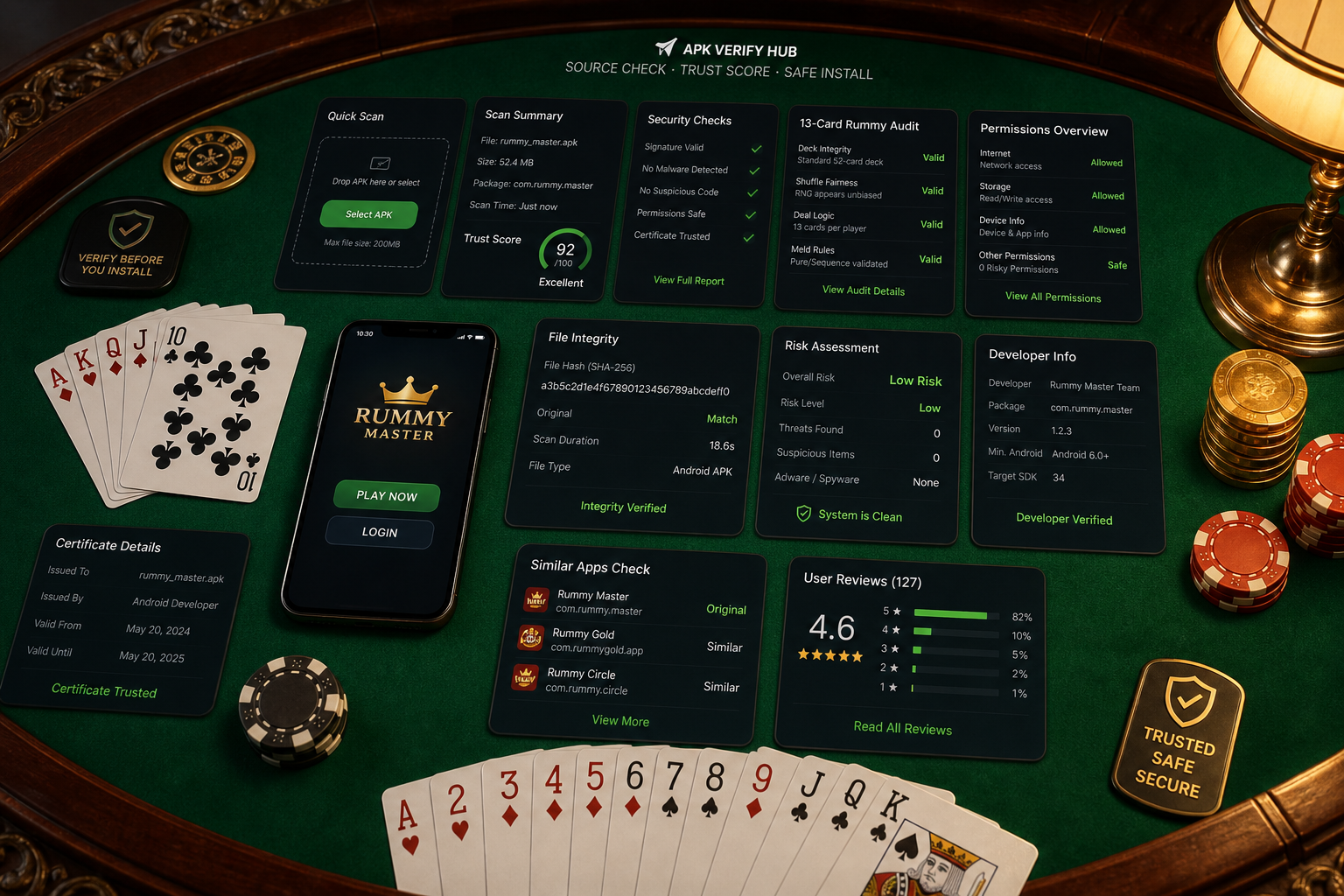
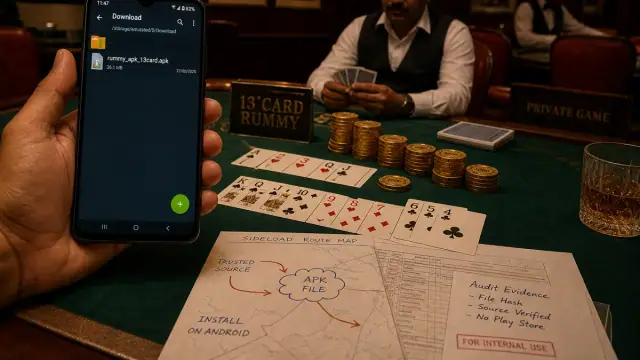
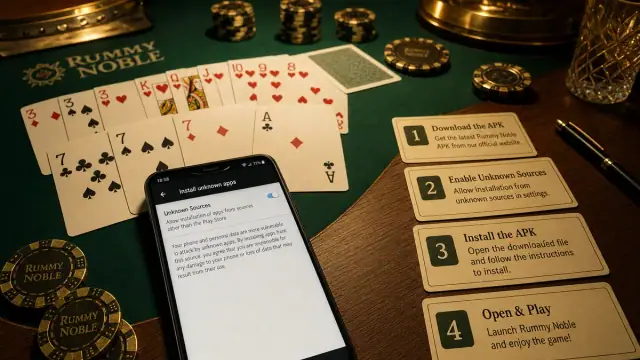
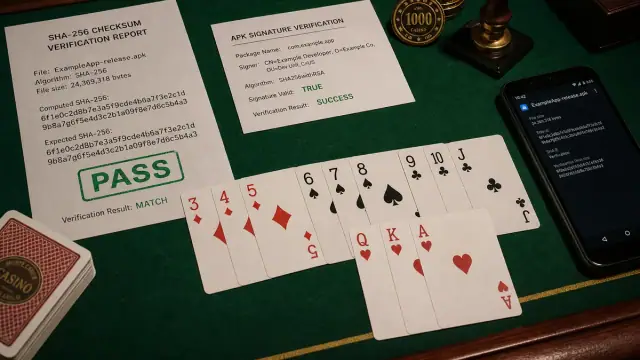
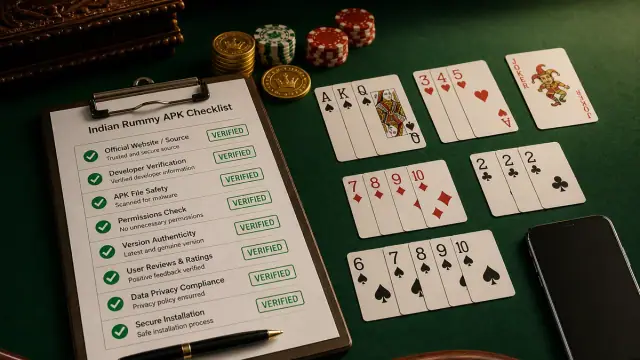
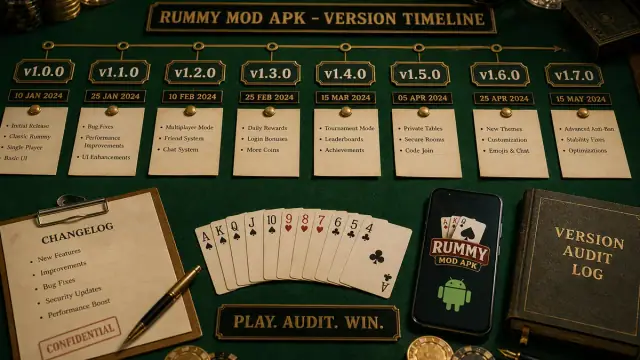
Each visual keeps the page in an APK source-check lab: Android screen, package route, signature cues and rummy context.